Saturday, April 20, 2024

What Does Credit Card Processing Cost?

Credit card processors typically charge a processing fee for every credit card payment you accept. Depending on your processor, you may be charged additional fees depending on what pricing model the processor uses.

Processing fees

Transaction fees can be broken down into two primary kinds: wholesale and markup. Wholesale fees, also known as “interchange” fees, are charged by the issuing bank and the card network. Markup fees are charged by the credit card processor and the payment gateway. Unlike wholesale fees, markup fees can be negotiated.

There are three types of credit card processing fees you should be aware of:

Interchange Fee. The interchange fee is the wholesale fee mentioned above. This is a standard, non-negotiable fee that covers the costs of processing the transaction, the risk of payment approval, and the risks of fraud and bad debt. Collected by the consumer (issuing) bank, the interchange fee is a percentage of the purchase total plus a set transaction fee that’s determined by each card network. This fee represents the largest cost of credit card payment processing, and is typically impacted by the type of credit card involved in the transaction. The average interchange rate in the U.S. is approximately 1.8% for credit cards and 0.3% for debit cards, but the actual rate a merchant will pay varies greatly. For example, interchange fees on premium or rewards cards are generally higher.

Assessment or Service Fee. This is another non-negotiable fee, but this time it’s the card network that charges it. This fee is typically a small percentage and can be affected by your transaction volume and your risk level as assessed or calculated by the card networks.

Processing Fee. Each payment processor charges their own fees. This is known as the payment processor markup, and it varies depending on the pricing plan of the processor.

Types of payment processor pricing models

Payment processors leverage a variety of pricing models. These are the four you are likely to come across when selecting a payment processor:

Flat rate. The processor charges a simple fixed fee for all credit and debit card transactions regardless of the card used for payment. Note that card-present transactions often have a lower flat rate than card-not-present transactions, as they carry less risk. This can be structured as a simple base rate (for example, 2.9%), or a base rate plus a small per-transaction amount (for example, 2.9% + $0.30 per transaction). This model merges the wholesale and the markup fees instead of splitting them out.

Tiered. The processor charges a fee based on the card type used in the transaction, how much risk is associated with the transaction, and the overall transaction volume of the business. This model is considered to be the most complex and potentially most confusing to merchants.

Interchange Plus. The Interchange Plus is the most common pricing model, and often considered the most transparent and cost-effective. Here, the merchant is charged a percentage of the transaction plus a fixed per-transaction fee. In this way, the wholesale fee (the “interchange” part) and the markup fee (the “per transaction” part) are distinctly and clearly separated. For example, a $100 payment made with a Visa Rewards credit card might carry a total (effective) rate of 2.13%, which includes the interchange fee, the card network fee, and any other fees charged by the credit card processor.

Subscription. The processor charges a flat monthly service fee, along with a small per-transaction fee. The wholesale fee is charged separately from the markup fee.

No matter which pricing model your business selects, note that not all transactions clear at the same rate. A qualified transaction will process at a lower rate than a non-qualified transaction.

Source

Wednesday, April 17, 2024

The Future of Payment Processing at Doctor's Offices


The healthcare industry is constantly evolving, and payment processing at doctor's offices is no exception. In recent years, common trends for payments in this field have emerged, all with the aim of making transactions more efficient, secure, and user-friendly. 

Let's explore three key trends that are shaping the future of healthcare payments: contactless payments, HIPAA compliance, and professional-looking smart terminals.

Contactless Payments: 

With the world increasingly prioritizing convenience and safety, contactless payment methods are gaining momentum in doctor's offices. Patients can now effortlessly make payments through tap-and-go cards, mobile wallets, and wearables, reducing the need for physical contact with payment devices. This method not only offers a faster, more efficient payment experience but also helps to minimize the spread of germs in high-risk environments such as healthcare facilities.

HIPAA Compliance: 

As digital payment systems become the norm, it is essential for doctor's offices to ensure their payment processing complies with the Health Insurance Portability and Accountability Act (HIPAA). This legislation safeguards patients' sensitive medical information from unauthorized access and misuse. By implementing secure, compliant payment systems, doctor's offices can not only protect their patients' privacy but also avoid hefty fines and potential legal repercussions.

Professional-Looking Smart Terminals: 

In today's digital age, first impressions matter. A sleek, professional-looking smart terminal can set a positive tone for the entire patient experience. Modern payment terminals come with enhanced security features, intuitive user interfaces, and advanced payment capabilities. These devices can help streamline payment processing while enhancing the overall patient experience.

The future of payment processing in doctor's offices is contactless, compliant, and cutting-edge. Embracing these trends will not only benefit patients but also enable healthcare providers to stay ahead of the curve in an ever-changing industry.

Source

Sunday, April 14, 2024

Is Retail Going Fully Online? The Future Of Shopping


As the retail landscape continues to evolve, fueled by pervasive internet, advanced mobile and online shopping apps, and shifting consumer behaviors, merchants ask the question of whether all retail will migrate exclusively to online payment platforms. 

While online retail undeniably commands a significant share of the market and is expected to grow further, a complete transition away from physical stores seems improbable for several reasons.

The Growth of Online Retail Market Share

Online retail sales are steadily increasing year over year, with some projections estimating that online sales could eventually represent a significant portion of total retail sales. In 2023, e-commerce sales were 18% of retail spending.

If we consider the estimate of e-commerce sales accounting for approximately 20% of total retail sales worldwide by 2024, it’s plausible that this percentage could continue to increase over the coming years. Some analysts and industry reports may have provided estimates ranging from 25% to 30% or even higher by the mid to late 2020s.

While it’s challenging to provide an exact prediction, our models estimate that e-commerce sales could represent a substantial portion of total retail sales by 2050, potentially exceeding 50% or even approaching a majority share in certain regions or industries. 

We don’t think there is a world where all retail goes online. There will always be a need for physical payments and purchases.

Embracing the Physical Experience

Physical stores offer an irreplaceable element of tangible experience, particularly crucial for product categories such as clothing, furniture, and electronics. The ability to touch, feel, and try on products not only enhances consumer confidence but also facilitates immediate gratification, allowing customers to take their purchases home instantly. 

Moreover, physical retail spaces foster social interaction, provide personalized service, and often serve as community hubs, offering unique opportunities for engagement and support for local businesses.

Consumer Preferences and Needs

While online shopping provides unmatched convenience and accessibility, it does not cater to the preferences and needs of all consumers. Many still value the in-person experience and the expertise offered by brick-and-mortar stores. 

Certain product categories necessitate physical interaction before purchase, a factor that favors the continued existence of physical retail spaces. Certain product categories where buyers want the physical interaction before purchase include:

  • Apparel and Footwear: Consumers often prefer trying on clothes and shoes to ensure proper fit, comfort, and style.
  • Furniture and Home Goods: Customers typically want to see and feel furniture items, such as sofas, mattresses, and tables, to assess their quality, comfort, and aesthetics.
  • Electronics and Appliances: Many consumers prefer to physically interact with devices like smartphones, laptops, and appliances to test features, performance, and usability.
  • Jewelry and Watches: Customers often want to examine jewelry and watches in person to assess their craftsmanship, design, and authenticity.
  • Cosmetics and Fragrances: Testing makeup, skincare products, and fragrances in-store allows customers to determine compatibility with their skin type and personal preferences.
  • Home Improvement and DIY Products: Customers may want to inspect tools, hardware, and building materials to ensure they meet their specific needs and specifications.
  • Automotive and Recreational Vehicles: Test driving cars, motorcycles, and other recreational vehicles is essential for evaluating performance, comfort, and handling.

Economic Realities and Practical Considerations

Establishing and maintaining a robust online presence can be a costly endeavor for businesses, encompassing expenses such as website development, digital marketing, and logistics. Furthermore, accessibility remains a concern, as not all consumers have reliable internet access or the necessary devices for online shopping. Additionally, the environmental impact of online shopping, including packaging and transportation, raises sustainability concerns compared to local in-store purchases.

A Hybrid Model for the Future

Rather than envisioning a wholesale transition to online retail, the future of retail is likely to be characterized by a hybrid model where digital and physical channels coexist and complement each other. Online platforms will continue to offer convenience and accessibility, while physical stores will evolve to deliver unique experiences, personalized service, and community engagement. This hybrid approach acknowledges the diverse needs and preferences of consumers, offering a balanced and inclusive shopping experience.

Adapting to Emerging Trends

Key trends shaping the future of retail include the seamless integration of online and offline channels through omnichannel shopping experiences, the enhancement of in-store experiences through innovative technologies like AR/VR, and a renewed focus on community-building and experiential retail.

While online retail will undoubtedly continue to play a prominent role in the retail landscape, the coexistence of physical stores is essential for meeting the diverse needs of consumers and sustaining vibrant communities. The future of retail lies in striking a harmonious balance between digital innovation and the enduring appeal of physical experiences.

Source

Thursday, April 11, 2024

Why Digital Wallets Are Gaining Popularity

Every year, more and more people utilize digital wallets to store credit card, debit card, and even store loyalty card information on their smartphone, wearable, or another mobile device. Mobile wallets allow users to quickly and easily make purchases in-stores and online, withdraw cash from ATMs, and send money peer to peer-giving them greater flexibility and convenience in payment choice.

Mobile WalletMobile wallet use is steadily growing. In fact, in-store mobile payments are expected to top $500 billion by 2020. Here, we’ll examine some of the reasons digital wallets are gaining popularity.

Growing Awareness

The greatest roadblock to mobile wallet use is the lack of awareness of this type of service, where it can be utilized, and how it’s accepted. According to Accenture, the majority of consumers (52%) claim to be extremely aware of mobile payments-up nearly 10% from last year. Because more and more people are aware of the service today, it is naturally gaining in popularity.

Digital wallet providers are using social media, traditional marketing, and other resources to spread the word about the benefits of mobile wallets. It seems to be working.

A study from MasterCard tracked 3.5 million social media conversations about new forms of payment and discovered that over 75% of those conversations were about digital wallets. In other words, awareness of digital wallets is growing.

Greater Acceptance

Not only are more people aware of digital wallets, more locations and websites are accepting them as a form of payment. As more and more consumers become aware of and begin to use mobile wallets, merchants are naturally beginning to see the benefits of accepting mobile payments.

More Options

One of the biggest reasons mobile wallet adoption is on the rise are the options they give to consumers. There are two main types of digital wallets: single purpose and multi-purpose.

As you can imagine, single purpose wallets are branded apps that work for one use only. This can be a store app that combines loyalty programs, gift cards, and other options. It can also be a credit card app that only offers one choice in form of payment.

Multi-purpose mobile wallets allow users to store a number of different credit cards, debit cards, gift cards, loyalty cards, and more in one wallet. These wallets attempt to replicate physical wallets by offering a number of options.

Users of multi-purpose wallets are able to store all their payment information in one convenient digital wallet. Choosing which card they want to use or accessing their loyalty account right from their phone or wearable device.

Digital wallet providers are giving users more options for digital payment. More options translate into greater popularity and use.

Mobile Shopping

Payment OptionsThe incredible growth of mobile shopping (mCommerce) is having a definite impact on mobile wallet popularity. Online shopping, often referred to as eCommerce, is a force in US retail sales. According to BigCommerce, 95% of Americans shop online at least once a year.

While eCommerce is steadily growing, official census data estimates that around 15% growth from the previous year, mCommerce (mobile shopping) is expected to explode by the end of the decade. Business Insider forecasts mCommerce to make up 45% of the total eCommerce market by 2020, up from 11% in 2014.

So, why would the growth of mobile shopping have an impact on mobile wallet use? The answer is integration. Mobile wallets allow users to make easy, quick payments without entering their credit card information into a website.

Digital wallets allow consumers to make quick payments on mobile devices by choosing the appropriate app on checkout. Modern shoppers want an all-inclusive shopping experience and that includes payment.

Shopping cart abandonment can be minimized with a seamless, easy checkout process. Mobile wallets integrate seamlessly with mCommerce allowing shoppers to make a payment without ever leaving the website.

Youth Utilization

Of course, one of the biggest reasons for the increase in popularity of mobile wallets is youth acceptance and usage. A study conducted by Alcatel-Lucent discovered that over 80% of youth showed a strong interest in using mobile wallets.

Furthermore, a recent study showed that 64% of 18-25 year olds use a mobile wallet to make some purchases. Even more striking is that the same study revealed that nearly half of young people believe that physical money will be phased out over the next 20 years.

This means that mobile wallet providers have a built in customer base in the next generation. Young people already see the benefits of mobile wallets and are adopting them as a preferred form of payment.

Larger mobile wallet adoption amongst young people reinforces the indication that mobile wallet popularity is more than a trend-it’s the next logical step in digital payment.

Security, Flexibility, and Convenience

Thumb ImpressionsUltimately, the greatest reasons for the growing popularity of mobile wallets are the benefits of increased security, flexibility, and convenience.

Digital wallets offer consumers greater security. From biometric authentication to the ability to lock a lost or stolen phone, mobile wallets provide better security. Some mobile wallet providers require a selfie to authenticate payment, while others require biometric authentication like a fingerprint to make a purchase.

These security features are much harder to break than using a lost or stolen card. What’s more, if a physical wallet is lost or stolen everything inside is lost—cash, IDs, payment cards. If a mobile device is lost or stolen the phone and digital wallet can be locked to avoid unauthorized use.

Finally, people don’t want to carry around a bulky wallet with a bunch of credit cards, debit cards, and loyalty cards. Mobile devices neatly carry all the information needed to shop, giving users greater flexibility and convenience.

Source

Monday, April 8, 2024

What Is Dual Pricing?

A Revolutionary Credit Card Processing Strategy

In the fast-paced world of financial decision-making, staying ahead of the curve is essential for any business seeking growth and success. This is especially true as you search for cost-reduction exercises to retain employees without cutting back on any other avenue of your company. As someone responsible for the financial health of your organization, you understand the importance of optimization to guarantee success. One aspect of your organization where optimization opportunities exist is your merchant account — specifically, the fees associated with payment processing. Taking advantage of the tools at your disposal will give you more control over your processing fees and help you counteract market shifts and inflationary pressures.

In the wake of Visa’s most recent changes to the surcharging cap, merchants are searching for alternative strategies that offer similar impacts. A lesser-known and under-discussed payment solution exists that not only offers unparalleled transparency but also empowers you to tailor services to your unique business needs. This solution is called dual pricing and it’s a game-changing model that’s revolutionizing the merchant services industry, especially after recent developments regarding surcharging. Dual pricing gives you a more hands-on approach to managing your organization’s financial health. In the ever-evolving world of commerce, staying ahead of the game is crucial for businesses seeking sustainable growth and profitability. Among the many advancements that have reshaped the merchant services landscape, dual pricing stands above the rest as a disruptive and incredibly useful tactic. 

What is Dual Pricing?

Simply put, a dual pricing system provides discounts to customers who opt to pay with cash. This is a win-win incentive that saves your customers money while reducing your credit card transaction fees. Businesses can adopt this pricing model through a payment terminal or point-of-sale (POS) system, presenting both cash and credit prices. Or, if you’re handling business-to-business transactions, you can list the payment options on your clients’ invoices. To ensure compliance, it’s crucial to advertise the credit card price either as the full amount or alongside the cash price.

Dual Pricing vs. Surcharging

As a financial officer, it’s vital to distinguish dual pricing from surcharging, considering their unique characteristics and legal implications. Surcharging entails adding a line-item fee to the purchase price when customers pay with credit cards. Dual pricing, on the other hand, displays a lower cash price as a discount. While surcharging increases the price, dual pricing discounts it. This is significant because each system could influence customer perception differently. 

Additionally, while dual pricing is legally permissible nationwide, surcharging is prohibited in some states and subject to specific regulations in others, with varying maximum surcharge rates. Furthermore, credit card brands may have their own rules concerning surcharging.

Considerations Before Implementing Dual Pricing

Just like with surcharging or any other payment solution, dual pricing will impact your business differently depending on a wide variety of factors. For the purposes of this analysis, we’ll take a deep dive into dual pricing considerations for a middle-market B2B service provider. However, it’s important to perform a similar analysis if your business doesn’t fall under this category. As you assess whether dual pricing aligns with your middle market B2B service provider’s objectives, keep these essential factors in mind.

The Payment Preferences of Your Customers

Analyze your customers’ payment habits and preferences. If a significant proportion already prefers cash or ACH payments, dual pricing could be an effective strategy to introduce alternative ways to collect dollars while reducing your days to collect. This approach allows credit card users to cover the full price while regular cash-paying/ACH customers benefit from the discounted cash price. However, if a substantial portion of your customer base uses credit cards, dual pricing might be perceived as penny-pinching and could adversely impact your business.

Source

Friday, April 5, 2024

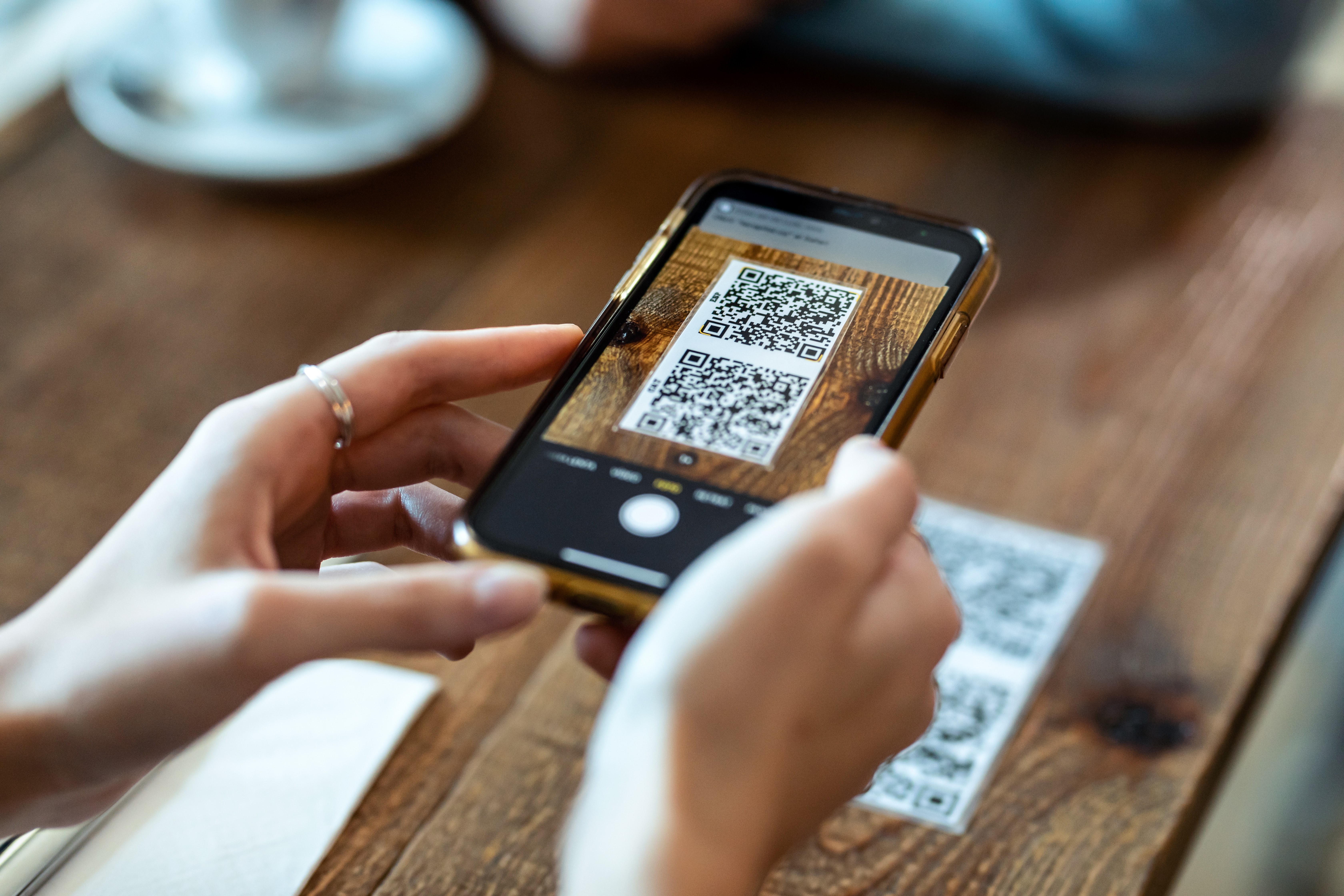
How QR Codes Work in Payment Processing


In the rapidly evolving world of digital payments, QR codes have emerged as a top payment trend, revolutionizing the way transactions are conducted. This article delves into the realm of QR codes for payments, exploring their mechanics, widespread adoption, and the transformative impact they have on the financial landscape. The global QR code payment market was valued at USD $11 billion in 2023 and is anticipated to grow at a CAGR of 16.5%. It is expected to surpass USD $52 billion by 2032. In 2024, the USA, India, and France have the highest adoption of QR codes.

We will explore the various facets of QR codes for payments, including their operation, benefits, challenges, and future prospects. We will also highlight notable use cases and the impact of QR codes on different industries, providing a overview of this transformative payment technology.

What are QR Codes?

QR Codes, short for Quick Response Codes, are a type of two-dimensional barcode that can store a wide variety of information. QR codes were originally developed in 1994 by Denso Wave, a Japanese company.

Unlike traditional barcodes, which are limited to storing a small amount of data in a horizontal format, QR codes can store significantly more data both horizontally and vertically. This capability makes them ideal for a variety of applications, including payment processing, product tracking, and marketing.

A QR code consists of black squares arranged on a white square grid. The arrangement of these squares encodes the information within the code. QR codes can encode various types of data, such as text, URLs, or other data types used in automatic identification and data capture (AIDC) technologies.

To access the information stored in a QR code, a user simply needs to scan the code with a QR code reader, which is often a feature included in smartphone camera applications. Upon scanning, the reader interprets the pattern of the squares and converts it back into the encoded data, which can then be used for various purposes, such as directing the user to a website, displaying a message, or initiating a payment.

QR codes have gained widespread popularity due to their versatility, ease of use, and the ability to store a large amount of data in a compact format. They are used in various industries and applications, from advertising and marketing to supply chain management and contactless payments.

QR Codes in Payment Processing

In the context of payment processing, a QR code is a two-dimensional barcode used to facilitate quick and secure transactions between a payer (such as a customer) and a payee (such as a merchant). The QR code contains information related to the payment, such as the merchant’s identification, the amount to be paid, and a transaction reference. When a customer scans the QR code using a smartphone or a dedicated QR code scanner, the payment app interprets the information and initiates the payment process.

QR codes in payment processing can be categorized into two main types:

  • Static QR Codes: These QR codes contain fixed information and do not change with each transaction. They are often used by merchants for accepting payments, where the same code can be scanned by multiple customers. However, the customer usually needs to manually enter the payment amount.
  • Dynamic QR Codes: These QR codes are generated for each transaction and contain specific details such as the exact amount to be paid. This ensures a faster and more secure transaction, as the code is unique and can include additional security features like encryption.

QR code payments are popular because they are convenient, fast, and secure. They allow for contactless transactions, reducing the need for physical contact or handling cash. Additionally, QR codes can be easily displayed on various media, such as screens or printed materials, making them accessible for both online and offline transactions.

How QR Codes Work in Payments
QR codes have become a popular method for facilitating payments due to their simplicity and efficiency. Here’s a step-by-step explanation of how QR codes work in the context of payments:

1. Generation of QR Code
For a transaction to occur, a QR code needs to be generated. This can be done by the merchant or the payment service provider. The QR code contains encoded information such as the merchant’s account details, the transaction amount (for dynamic QR codes), and other relevant payment data.

2. Displaying the QR Code
The generated QR code is then displayed to the customer. This can be done in various ways, such as printing the QR code on a bill or displaying it on a digital screen at the checkout counter or on an online payment page.

3. Scanning the QR Code
The customer uses a smartphone or a dedicated QR code scanner to scan the QR code. This is typically done through a payment app or a mobile banking app that has QR code scanning capability.

4. Decoding the QR Code
Once the QR code is scanned, the app decodes the information embedded in the code. This information is used to initiate the payment process. For dynamic QR codes, the payment amount and other transaction details are automatically retrieved. For static QR codes, the customer may need to manually enter the payment amount.

5. Payment Authorization
The customer reviews the transaction details on their device and authorizes the payment. This could involve entering a PIN, using biometric authentication, or confirming the payment in some other way, depending on the app and the security requirements.

6. Transaction Processing
After the payment is authorized, the transaction is processed through the payment network. The funds are transferred from the customer’s account to the merchant’s account. This process involves communication between the customer’s bank, the merchant’s bank, and any intermediaries involved in the payment processing.

7. Confirmation of Payment
Once the transaction is completed, both the customer and the merchant receive confirmation. The confirmation can be in the form of a digital receipt, a notification in the app, or a message displayed on the screen.

Tuesday, April 2, 2024

Credit Card Data: What You Can and Can’t Store


We’ve all heard stories about credit card fraud, of staggering amounts being stolen from businesses both small and large, retail and online. We know how fiercely we should protect our own. Fraud losses can be devastating and unexpected as we transact in an era of increasing technology and innovation.

Compromising the security of our customers’ payment information is reputationally damaging and even the most well-equipped stores may experience fraud at one point or another. The most important thing is to reduce your risk as much as possible and make sure you follow changing rules in the payment card industry–and have a reliable merchant services provider that does.

Whether it be in your CRM system or for a recurring billing plan, there are legitimate reasons merchants need to keep identifiers of their customer’s payment method on file—better known as a “card on file”—but, what exactly are you allowed to store? And how are you allowed to?

First, make sure you are using payment card industry (PCI) compliant equipment and hardware, which is designed to handle payment data safely so you don’t have to. As a general rule of thumb, only store what you absolutely need to in addition to this.  

Cardholder Data: May be stored if rendered unreadable

Cardholder Data (CHD) includes the 16-digit primary account number (PAN), cardholder name, service code, and expiration date. You may only store certain elements of CHD according to PCI rules, and it can only be stored for a “legitimate legal, regulatory, or business reason”.

There are 12 PCI DSS rules and rule 3 focuses on methods to safely store CHD. Here is a summary of acceptable methods:

Hash functions

  • These are simple index markers that flag records in a database where sensitive data is actually stored (in another secure form).

Truncation

  • Also known as masking, this removes segments of data, such as showing only the last four digits or only the first six digits of a PAN. No more than the last four or first six may be shown in this method.

Encryption

  • An algorithm combines sensitive plain text data with a random key that works only once.

Cryptography

  • Formulas that make plain text data unreadable.

Sensitive Authentication Data: May never be stored

PCI requirement 3.2 states that Sensitive Authentication Data (SAD) can never be stored after authorization is completed. This means that the data can be collected for the purposes of authorizing a payment transaction, then it has to be deleted. It includes magnetic stripe data, PIN and PIN blocks, and card verification codes.

What are Card Verification Codes or Values (CVC or CVV)?

CVC or CVV are types of data necessary to authorize digital payments and refer to the three- or four-digit number typically printed on the back (but may be on the front) of a payment card. Depending on the card brand this might also be called the CID, CVC2, CVV2, or CAV2.

CVV is a security feature that should be collected at the point of sale for online or phone order transactions, but may never be stored after payment authorization. The point is to make sure the card-not-present transaction is being made by a customer with the physical card on hand. Merchants don’t have to collect this every time for card on file or recurring payments.

How do you delete sensitive authentication data?

Don’t worry – Developers of payment solutions have to get PCI-approved before they bring to market software and hardware, and it must have secure, automatic deletion techniques in place. So, verify that your payment solution is up to date, then you just have to make sure you don’t store SAD in your own system. Encryption is not sufficient; all data must be properly deleted so that it can never be recovered.

What if a customer requests CVV storage?

This is prohibited according to PCI rules, and merchants may not grant customer requests to keep CVV or any PCI-prohibited card data on file after payment authorization.